
 By
By 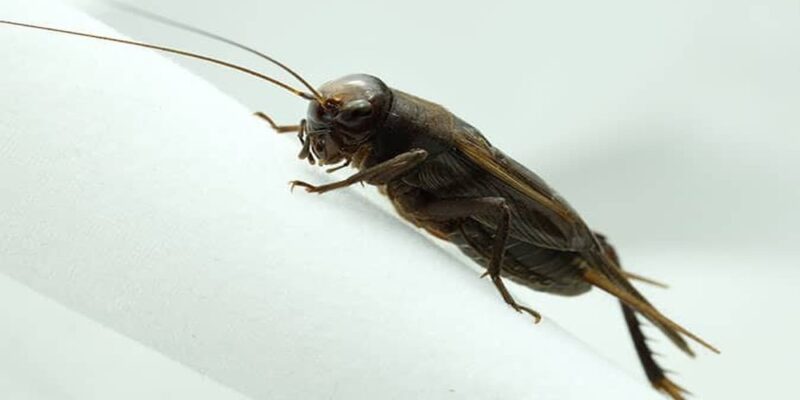
One day, your yard is quiet. A couple of weeks later, it becomes a symphony every time you open that door. If you have experienced a summer in Phoenix, AZ, you know what that transition is all about. Cricket activity in late summer is predictable, place-specific, and surprisingly manageable.
If you understand why it happens, you can stay ahead of it. When the noise and the numbers begin to take over your home, it may be time to seek help from professionals like Green Mango Pest Control.
Why Crickets Become More Noticeable Toward the End of Summer?
Crickets do not suddenly appear out of nowhere. They develop quietly throughout the season. By late July and August, nymphs have matured into adults, populations peak, and males begin chirping actively to attract mates.
During this period, Phoenix, AZ temperatures often stay within the ideal cricket range of 85°F to 95°F. As nights begin to cool slightly toward the end of summer, crickets start moving toward warmer and more stable environments, including homes and garages.
This late-summer surge is driven by several factors:
The drop in nighttime temperature pushes them to seek shelter
Dry desert conditions drive crickets toward irrigated residential yards
A buildup of vegetation provides food and hiding spots close to homes
Crickets are strongly attracted to artificial lighting after dark
Common Outdoor Areas Where Crickets Are Found Around Phoenix, AZ Homes
Crickets are not randomly scattered outdoors. They gather in areas that offer moisture, shelter, and access to food.
Lawn Edges and Garden Borders
The transition area between lawns and garden beds is ideal for cricket activity. Irrigation systems in Phoenix, AZ keep these zones moist even in hot weather, creating perfect conditions for crickets to thrive.
Woodpiles and Debris Stacks
Firewood piles, construction lumber, and yard debris create dark, protected spaces where crickets hide. Homes near open desert areas or undeveloped land may see higher activity due to natural debris accumulation.
Foundation Perimeters and Mulch Beds
Mulch retains moisture and stays cooler than surrounding areas, making it highly attractive to crickets. Beds located directly along the foundation are common hotspots, especially when mulch touches exterior walls.
Exterior Lighting Zones
Homes with bright outdoor lighting often attract more crickets at night. They are naturally drawn to light sources, which is why porches, garages, and entryways become gathering points during late summer evenings.
What You Can Do to Minimize Situations That Actually Draw In Crickets
Try warm-colored exterior LED bulbs: yellow or warm white bulbs are less attractive to crickets than bright white lighting
Move wood piles away from the house: Keep firewood at least 20 feet from your foundation
Seal entry points: Close gaps around doors, windows, and utility lines to prevent indoor access
Adjust irrigation timing: Water in the morning instead of evening to reduce nighttime moisture
Remove debris regularly: Clear leaf litter and clutter that provide hiding spots
Being aware of seasonal patterns allows you to act before cricket populations peak. Small environmental changes can significantly reduce their presence. When infestations grow beyond simple control, Green Mango Pest Control can address the root cause and provide long-term solutions rather than temporary fixes.





Comments