
 By
By 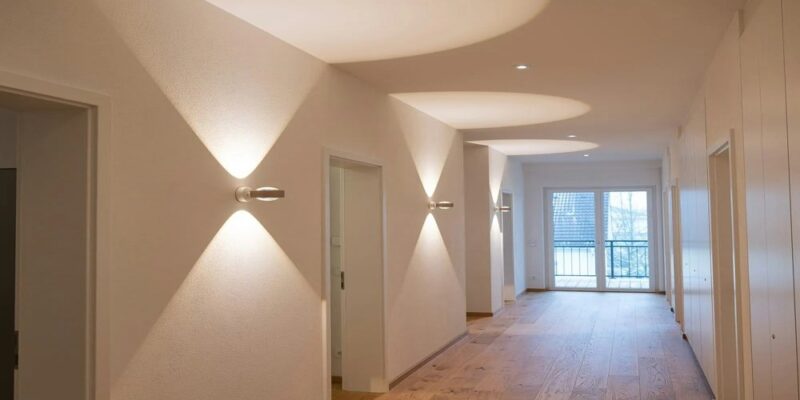
Lighting can completely change the way a room looks and feels. A well-lit room feels welcoming, spacious, and comfortable, while poor lighting can make even the best interiors appear dull and cramped. One of the most common mistakes homeowners make is either over-lighting or under-lighting a room. Choosing the perfect number of lights for your space is not just about brightness. It is about balance, function, and creating the right atmosphere.
Whether you are designing a cosy bedroom, a productive kitchen, or a stylish living room, understanding how many lights your room needs can help you create a space that feels both practical and beautiful. From ceiling fixtures to led strip lights, every lighting element plays a role in achieving the ideal setup.
How Does Room Size Matter in Lighting Design
Every room has different lighting requirements based on its size, purpose, ceiling height, and natural light availability. A small room with too many fixtures may feel harsh and uncomfortable, while a large room with insufficient lighting may feel dark and uneven.
The goal of a good LED lighting is to spread illumination evenly throughout the room without creating overly bright or shadowy corners. This is why room dimensions should always be the starting point when planning lighting placement. A room used for relaxing, such as a bedroom, usually requires softer lighting, while task-heavy spaces like kitchens and study areas need brighter illumination.
Start with Lumens Instead of Watts
Earlier, people measured lighting needs based on watts. Today, lumens are the better standard because they measure actual brightness. Here is a simple guideline for recommended brightness levels:
- Living room: 1,500 to 3,000 lumens
- Bedroom: 1,000 to 2,000 lumens
- Kitchen: 3,000 to 4,000 lumens
- Bathroom: 2,000 to 4,000 lumens
- Study room: 3,000 lumens or more
Modern LED lighting solutions provide higher brightness while consuming less electricity, making them ideal for both small and large spaces.
Calculate Lighting Based on Room Size
One of the easiest ways to determine the number of lights required is by calculating the room area.
Step 1: Measure the Room
Multiply the length and width of the room.
For example:
- Room size: 12 ft × 15 ft
- Total area: 180 square feet
Step 2: Determine the Required Lumens
Different rooms need different lumens per square foot.
General recommendations include:
- Living rooms: 10-20 lumens per sq. ft.
- Kitchens: 30-40 lumens per sq. ft.
- Bedrooms: 10-20 lumens per sq. ft.
For a 180 sq. ft. living room: 180 × 20 = 3,600 lumens. This means your room should ideally have lighting fixtures that together produce around 3,600 lumens.
Layered Lighting Creates Better Balance
Using only one ceiling light in a room often creates uneven illumination. Instead, interior experts recommend layered lighting. Layered lighting combines multiple types of fixtures to improve both function and ambience.
Ambient Lighting
This is the main source of light in the room, usually provided through ceiling fixtures or a led tube light. Ambient lighting ensures the entire room is evenly illuminated.
Task Lighting
Task lighting focuses on areas where activities take place, such as reading, cooking, or working.
Examples include:
- Desk lamps
- Under-cabinet lights
- Bedside lights
Accent Lighting
Accent lighting highlights décor elements and adds visual depth to interiors. This is where led strip lights become highly useful. They can be installed:
- Along false ceilings
- Behind mirrors
- Under shelves
- Around TV units
These subtle lighting additions make rooms feel modern and inviting without overwhelming the space.
Ideal Light Placement for Different Rooms
Every room in your home serves a different purpose, which is why lighting placement should never follow a one-size-fits-all approach. Choosing the right position and combination of lights helps improve visibility, comfort, and the overall ambience of each space.
Living Room
Living rooms usually need a combination of ceiling lights, wall lights, and accent lighting. A medium-sized living room may include:
- One central ceiling fixture
- Four recessed lights
- Decorative LED strip lights around the ceiling edges
This layered setup creates balanced illumination for entertainment and relaxation.
Bedroom
Bedrooms should feel calm and comfortable rather than overly bright. A good setup may include:
- One ceiling light or LED tube light
- Two bedside lamps
- Soft accent lighting behind the headboard
Warm-toned LED lighting works especially well in bedrooms because it creates a cosy atmosphere.
Kitchen
Kitchens require brighter lighting because they are task-focused spaces. Recommended options include:
- Ceiling-mounted lights
- Under-cabinet lighting
- Bright task lights near counters
Proper kitchen lighting reduces shadows and improves visibility while cooking.
Bathroom
Bathrooms often need stronger illumination near mirrors and wash areas. You can combine:
- Ceiling lighting
- Mirror lights
- Waterproof accent lighting
Balanced bathroom lighting improves both functionality and aesthetics.
Ceiling Height Also Affects Lighting Needs
Rooms with higher ceilings usually require more lighting because brightness spreads across a larger vertical space. For high ceilings:
- Increase the number of fixtures
- Use brighter lumen outputs
- Add layered lighting for better coverage
In compact rooms with low ceilings, fewer but strategically placed lights are usually sufficient.
Consider Natural Light
Rooms with large windows receive more daylight during the day, reducing the need for excessive artificial lighting. Dark rooms or spaces with limited sunlight may need additional fixtures or brighter led lighting solutions to maintain visual comfort throughout the day. Combining natural light with carefully planned lighting fixtures helps maintain balance while reducing energy usage.
Avoid Common Lighting Mistakes
Even stylish interiors can suffer from poor lighting placement. Some common mistakes include:
- Using Only One Light Source: Single fixtures create uneven brightness and leave corners dark.
- Ignoring Room Function: Every room serves a different purpose, so lighting intensity should match the activity level.
- Choosing Excessively Bright Lights: Overly bright lights can create glare and discomfort, especially in bedrooms and living rooms.
- Skipping Accent Lighting: Subtle additions like LED strip lights add warmth, depth, and visual interest to interiors.
Create Comfortable and Well-Lit Spaces
Finding the perfect number of lights for any room size is about more than simply filling a space with brightness. The right lighting plan improves comfort, functionality, and the overall atmosphere of your home.
By understanding room dimensions, lumen requirements, and layered lighting techniques, you can create interiors that feel balanced and visually appealing. From practical ceiling fixtures to decorative LED strip lights, every lighting choice contributes to a more inviting home environment.



Comments