
 By
By 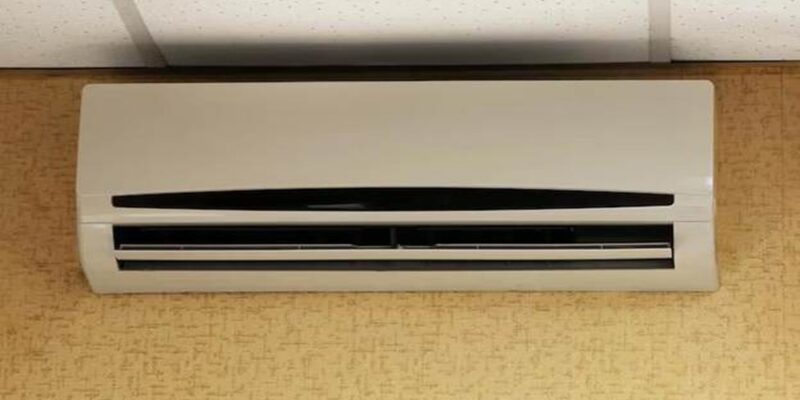
Older homes often have a charm and character that newer properties struggle to match. From original timber features to unique layouts and traditional craftsmanship, these homes offer warmth and personality that many homeowners appreciate. However, maintaining comfortable indoor temperatures in an older property can be far more difficult than expected, especially during periods of extreme heat or cold.
Many aging homes were built before central air conditioning became standard, leaving homeowners to deal with uneven temperatures, poor airflow, and outdated heating systems. As a result, many people are now considering ductless mini split installation as a practical way to improve indoor comfort without making major structural changes. These systems provide efficient heating and cooling while preserving the original layout and appearance of older homes.
Why Older Homes Often Have Comfort Problems
Temperature control issues are common in older properties for several reasons. Many were built with little consideration for modern HVAC requirements, which can create challenges when homeowners try to upgrade their heating and cooling systems.
One of the biggest issues is the lack of existing ductwork. Installing traditional ducted systems in an older property can be expensive and disruptive because walls, ceilings, and floors may need significant alterations. Even homes that already have ducts often suffer from air leaks, poor insulation, or ageing components that reduce efficiency.
Older properties are also more likely to have inconsistent insulation. Drafty windows, ageing materials, and gaps around doors can allow heat to escape during winter and enter during summer. This often creates uncomfortable hot and cold spots throughout the home.
What Is a Ductless Mini Split System?
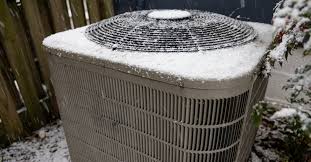
A ductless mini split system is a heating and cooling solution that operates without traditional ductwork. Instead, it uses an outdoor compressor connected to one or more indoor air-handling units through small refrigerant lines.
Each indoor unit can control the temperature of a specific room or zone independently. This makes ductless air conditioning systems especially useful for older homes where maintaining consistent temperatures can be difficult.
Unlike bulky traditional HVAC systems, mini splits are compact and flexible. Indoor units can be mounted on walls, ceilings, or even recessed into certain spaces, allowing homeowners to maintain the appearance of period properties while improving comfort levels.
More Consistent Comfort Throughout the Home
One of the biggest advantages of ductless systems is their ability to provide consistent indoor temperatures. Traditional systems often struggle to evenly distribute air throughout older homes, particularly those with multiple floors or unusual layouts.
Mini split systems solve this problem through zoned heating and cooling. Each indoor unit can be adjusted separately, allowing homeowners to customise temperatures in different areas of the property.
This approach offers several practical benefits:
- Bedrooms can remain cooler at night without affecting other rooms
- Upper floors can receive additional cooling during summer
- Less frequently used rooms can use less energy
- Family members can adjust temperatures based on personal comfort
Because air is delivered directly into each room, homeowners alsagingo avoid the energy loss commonly associated with ageing ductwork.
Improved Energy Efficiency in Older Properties
Energy efficiency is another major reason homeowners choose ductless systems. Traditional ducted HVAC systems can lose a significant amount of conditioned air through leaks and poorly insulated ducts. In older homes, these losses are often even greater.
Ductless systems eliminate this issue entirely because air is delivered directly into living spaces. Many modern units also use inverter technology, which allows the system to adjust output gradually rather than constantly switching on and off. This helps maintain stable temperatures while reducing energy consumption.
For homeowners looking to reduce monthly utility costs, energy-efficient cooling systems can make a noticeable difference over time. Some systems also include programmable controls and smart thermostat compatibility, making it easier to manage energy use more effectively.
Improved efficiency is particularly important in older homes where insulation and airflow problems already place additional strain on heating and cooling equipment.
Easier Installation with Less Disruption
One of the main concerns homeowners have when upgrading HVAC systems in older properties is the potential disruption caused by installation work. Traditional systems often require invasive construction that may damage original features or alter the layout of the home.
Ductless systems are generally much easier to install. Only a small opening is needed to connect the indoor and outdoor units, reducing the need for extensive renovations.
This makes mini split systems ideal for:
- Historic homes
- Listed or protected properties
- Converted lofts and basements
- Home extensions
- Older homes without existing ducts
The flexibility of these systems also allows homeowners to add comfort to specific rooms without replacing the entire HVAC setup.
Better Indoor Air Quality
Indoor air quality is another important consideration in older homes. Dust, allergens, and airborne particles can accumulate in ageing duct systems, affecting the quality of the air circulating through the property.
Ductless systems often include advanced filtration features that help remove dust and other contaminants from indoor air. Since there are no ducts collecting debris over time, homeowners may also notice cleaner airflow and fewer airborne particles.
This can be particularly beneficial for households with allergy sufferers or respiratory sensitivities.
When a Ductless System Makes the Most Sense
While ductless systems are highly versatile, they are especially effective in certain situations.
Homeowners often benefit most from ductless air conditioning systems when:
- The property lacks existing ductwork
- Certain rooms are consistently too hot or cold
- Renovations or extensions need independent climate control
- Energy efficiency upgrades are a priority
- Preserving the original structure of the home is important
Many people also choose these systems for converted garages, lofts, or garden rooms where extending traditional ductwork would be impractical.
Common Mistakes Homeowners Should Avoid
Although mini split systems offer many advantages, proper planning remains important. One common mistake is selecting a system that is either too large or too small for the space. Incorrect sizing can reduce efficiency and create uneven temperatures.
Poor indoor unit placement can also affect airflow and comfort. Units should be positioned carefully to maximise circulation while avoiding direct airflow onto seating or sleeping areas.
Homeowners should also avoid overlooking insulation issues. Even the most efficient HVAC system will struggle if a property has major air leaks or inadequate insulation.
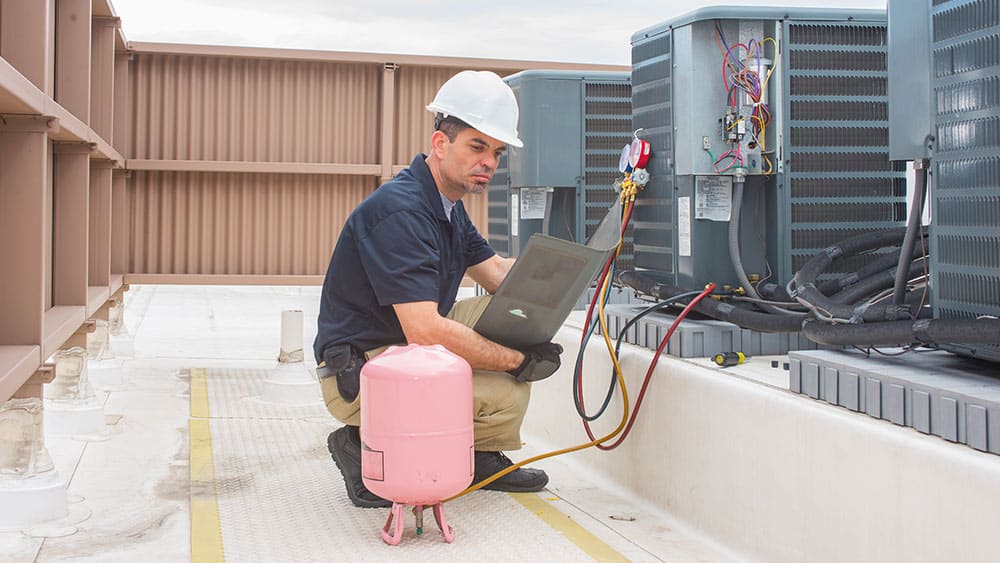
Working with qualified HVAC professionals helps ensure the system is designed correctly for the property’s layout and comfort requirements.
Conclusion
Older homes often present unique heating and cooling challenges, but modern HVAC solutions have made it easier to improve comfort without compromising character or structure. Ductless mini split systems provide an effective way to manage indoor temperatures, improve energy efficiency, and reduce the limitations associated with ageing ductwork.
For homeowners seeking a practical upgrade, these systems offer flexibility, quieter operation, and zoned temperature control that traditional HVAC systems may struggle to achieve in older properties. With proper planning and professional installation, a ductless system can make an older home feel significantly more comfortable throughout the year.




Comments