
 By
By 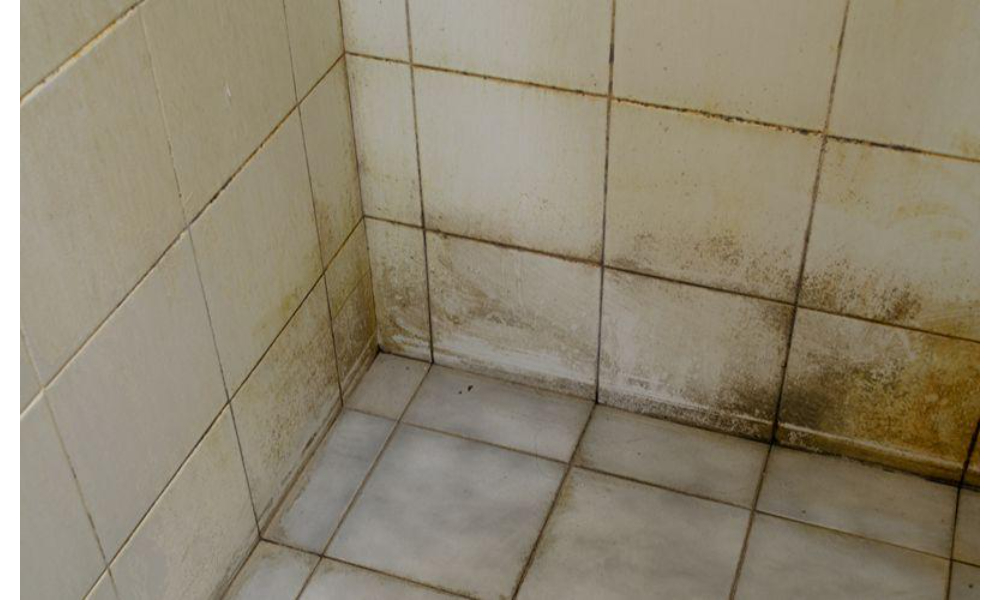
Bathroom mould has a talent for reappearing just when you think the problem is sorted. Tiles look clean, grout gets a scrub, and the smell fades for a while. Then the marks creep back, often in the same corners, seals, and ceiling lines. Many people try different ways to remove bathroom mould, yet the results rarely last. The reason usually lies beyond surface cleaning and into how moisture behaves in bathrooms.
Moisture Never Really Leaves the Room
Bathrooms collect moisture faster than most parts of a home. Hot showers fill the air with steam, which settles on walls, ceilings, and fittings once the water stops running. Even after wiping surfaces dry, damp air can linger for hours.
When moisture stays trapped, mould spores remain active. Cleaning removes what you can see, but hidden damp areas continue feeding growth. Attempts to remove bathroom mould succeed briefly because the environment stays friendly to regrowth.
Grout and Sealant Hold On to Dampness
Grout lines and silicone sealants absorb water over time. Small cracks and worn sections allow moisture to sit beneath the surface. Dark spots often reappear along these areas first. Basic cleaning reaches only the outer layer. Deeper moisture remains untouched, which limits the effectiveness of surface mould treatment. Without addressing water trapped inside porous materials, stains return with familiar timing.
Ventilation Gaps Slow Drying
Fans and windows help, though many bathrooms still struggle to dry properly. Weak extraction fans, blocked vents, or short run times allow humidity to hang around long after showers end.
Poor airflow also creates calm pockets where air barely moves. These spots dry slowly, giving mould time to settle. People trying to remove bathroom mould often overlook airflow, focusing on cleaning products instead of drying speed.
Hidden Growth Beyond What You See
Mould does not restrict itself to visible areas. It can grow behind tiles, under vanity units, and above ceilings where moisture builds unnoticed. Musty smells often signal activity beyond reach. Surface-level mould treatment does not reach concealed areas. Growth continues quietly, sending spores back into the open once conditions allow.
Why Mould Mites Appear in Bathrooms
Bathrooms sometimes host tiny creatures linked to damp conditions. The presence of mould mites in Singapore homes usually points to prolonged moisture and ongoing mould growth rather than poor hygiene.
Mould mites feed on mould and thrive in humid environments. Their appearance suggests moisture has stayed long enough for mould colonies to establish themselves beyond what cleaning alone can manage.
Cleaning Products Have Clear Limits
Bleach and common sprays remove stains, though they struggle to penetrate porous surfaces. Some products lighten marks without killing spores beneath. Relying on repeated cleaning can feel productive, yet the underlying moisture remains. Effective mould treatment works alongside moisture control, not as a stand-alone fix.
Why Bathroom Mould Keeps Winning the Rematch
Bathrooms create repeated moisture cycles every day. Each shower resets the conditions mould prefers. Without faster drying and moisture control, cleaning becomes a routine rather than a solution. The reappearance of mould mites in Singapore bathrooms reinforces this pattern. Their presence reflects an environment where mould continues finding what it needs to survive.
What Makes Treatment More Effective
Lasting control focuses on reducing moisture time. Improving ventilation run times, repairing sealant gaps, and managing humidity help surfaces dry sooner. These steps change the conditions mould relies on. Targeted mould treatment combined with moisture management reduces repeat growth. Cleaning then becomes maintenance instead of damage control.
Taking Practical Action
Regular cleaning plays a role, though it cannot solve moisture-driven problems on its own. Understanding why mould returns helps shift effort toward drying, airflow, and material care. Contact MouldGone to take practical action against recurring bathroom mould, address moisture conditions, and manage issues linked to mould mites in Singapore homes.



Comments