
 By
By 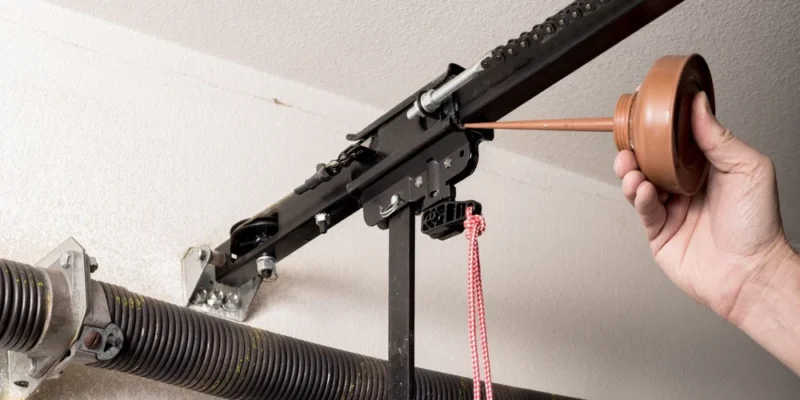
Picture a garage door that seems to laugh in the face of constant motion, staying reliable and powerful whether you’re coming home after dark or opening up for deliveries all day long. That’s the reputation chain-driven garage door openers have earned, yet plenty of misconceptions linger around their noise, durability, and smart features. Let’s break down why chain-driven systems remain the go-to choice for anyone who needs real muscle and resilience in their garage.
Debunking the Myth: Chain-Driven Openers Are Too Noisy for Frequent Use
Some say chain-driven openers rumble loud enough to wake the neighbors. The truth is, this reputation is more legacy than reality.
Why Noise Levels Are Often Overstated
Early chain-driven models were certainly no quiet partners, but advancements in motor technology and chain design have changed the game. Much of the noise comes from the garage door itself, not the opener, and proper lubrication can cut those sound levels dramatically.
How Modern Chain-Driven Openers Minimize Sound
Now, manufacturers include sound-dampening materials and precision-engineered chains. If you’re picturing the clatter from decades ago, think again: today’s units, especially when installed correctly, operate at a hum that blends into the background of daily life.
Myth: Chain-Driven Openers Aren’t Durable Enough for Heavy Garage Doors
Durability is where chain-driven systems shine brightest. Their reputation for handling tough jobs isn’t just hype.
The Engineering Behind Powerful Chain Drives
Chains are forged to withstand immense tension, creating consistent motion even under the weight of solid wood or insulated garage doors. The heavy-duty sprockets and gears, often made from steel, mean the drive system won’t stretch or fail when put to the test.
Real-World Performance in Heavy-Duty Applications
You’ll find chain-driven openers in commercial warehouses, auto shops, and large family homes with double doors. Their ability to endure thousands of cycles each year makes them the backbone of any high-traffic garage.
Misconception: Belt-Driven Openers Are Always Better for Daily Use
Belt systems often get praise for being whisper-quiet, but are they the automatic winner for heavy or frequent use?
Comparing Maintenance Needs: Chain vs. Belt
Belts are quieter, but they require regular checks for wear and can be vulnerable to changes in temperature or humidity. Chains, on the other hand, thrive on basic, infrequent maintenance, occasional lubrication and the odd tension adjustment.
Longevity and Reliability in High-Use Scenarios
In environments where the opener runs multiple times a day, chains hold their ground longer, maintaining performance when belts might slip or fray. The difference becomes clear over the years, as chains consistently outlast belts when subject to heavy loads and high cycles.
Myth: Chain-Driven Openers Damage Garage Doors Over Time
There’s a lingering worry that chains pull too hard, causing long-term damage to garage doors themselves.
How Proper Installation Prevents Wear and Tear
When a chain-driven opener is installed correctly, the force is distributed evenly across the door. The opener’s travel limits and force settings protect against strain, ensuring smooth operation without jolts or jerks.
The Role of Quality Components and Regular Maintenance
Using strong steel chains and maintaining them with periodic checks keeps everything aligned. Quality brands, like those featured in the Dor Docteur ouvre-portes de garage électriques, design their openers specifically to maximize longevity for both the opener and the door.
Belief That Chain-Driven Openers Lack Advanced Features
It’s easy to assume that traditional strength means outdated tech, but that’s not how modern chain drive systems work.
Integration with Smart Home Systems and Security
Many chain-driven openers now connect with Wi-Fi, letting homeowners control access from their smartphones. Security features like rolling code technology and activity logs ensure your garage stays as modern, and as safe, as you need.
Safety Mechanisms Built into Chain-Driven Models
Sensors that halt operation if obstacles are detected, auto-reversing capabilities, and emergency releases all come standard. You don’t have to choose between power and peace of mind.
Myth: Chain-Driven Openers Are Not Cost-Effective for Frequent Use
Some see the lower sticker price and assume corners are being cut, but cost effectiveness goes much deeper.
Weighing Initial Cost Against Long-Term Savings
Chain-driven openers usually cost less upfront than belt-driven models, especially for heavy-duty capacities. Factor in their slower rate of wear and lower maintenance needs, and the value over time becomes obvious.
Cost Benefits of Handling Heavy and Frequent Operations
For garages that see a lot of use, breakdowns are costly, not just in repairs, but in lost convenience. Chains keep going when others might fail, saving on both time and hassle.
Why Chain-Driven Openers Are the Go-To Choice for Commercial and High-Traffic Garages
Walk into any delivery service, auto shop, or public parking facility, and you’ll find chain-driven openers powering the busiest doors.
Case Studies and Industry Preferences
Commercial clients consistently select chain drives for the simple reason that they work, year-in and year-out. A facility with dozens of daily cycles relies on the unmatched toughness of a chain system.
Customization Options for Specific Needs
From variable speed settings to integration with access control systems, chain-driven openers aren’t stuck in the past. They offer more options than ever before, making them a favorite for anyone who won’t settle for less than the best in strength and reliability.
In the end, for those who need a garage door opener that stands up to constant, heavy use, chain-driven systems deliver performance that outlasts the myths. Reliable, powerful, and increasingly advanced, they remain the smart, practical choice.





Comments