
 By
By 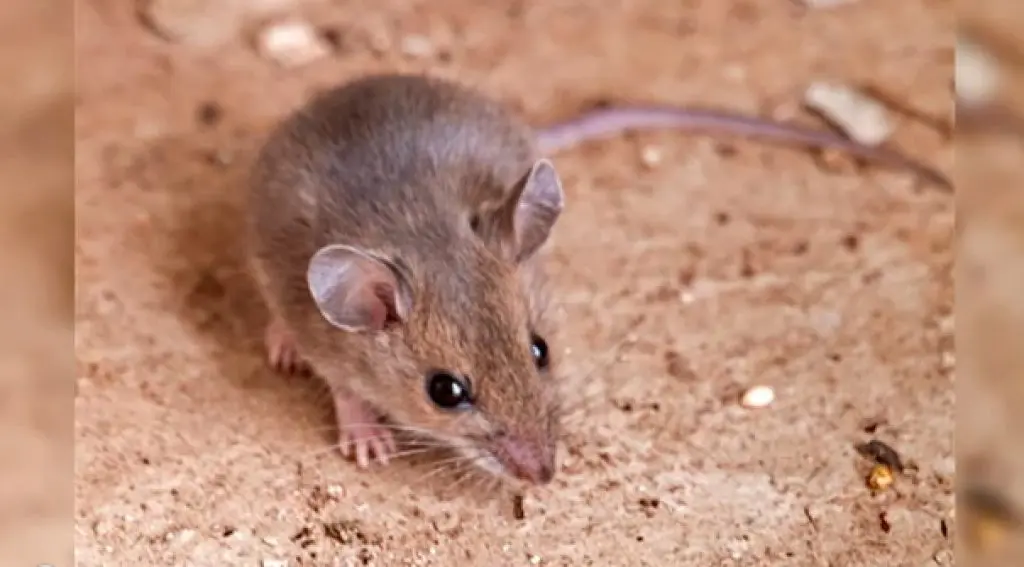
When temperatures start to drop—or even during intense summer heat—rodents in Temecula begin looking for shelter, and unfortunately, your attic or garage might be the perfect spot. Rodents like roof rats and house mice are incredibly adaptable and will squeeze into the smallest openings to find food, water, and safety.
For Temecula homeowners, rodent infestations can mean more than just chewed wires and the occasional scratching sound. Rodents are carriers of disease, cause costly damage to homes, and multiply quickly once inside. The good news? With a few proactive steps, you can keep rodents out of your attic, garage, and home for good.
Let’s break down when rodent season hits, why your attic and garage are high-risk areas, and how you can prevent unwanted visitors.
When Is Rodent Season in Temecula?
Temecula’s warm, dry climate doesn’t include harsh winters, so rodent activity is a year-round concern. However, fall and winter are peak seasons as temperatures cool and food becomes scarcer in outdoor areas.
Rodents begin seeking warmth and shelter in:
- Attics
- Garages
- Crawlspaces
- Wall voids
- Storage sheds
Because Temecula neighborhoods often back up to open fields, orchards, or undeveloped land, rodents have easy access to residential homes.
Why Rodents Love Attics and Garages
Both attics and garages offer ideal environments for rodents to nest, hide, and breed. Here’s why:
1. Shelter from Predators and Weather
Rodents seek quiet, undisturbed places where they won’t be seen. Garages and attics often go unused for long stretches, making them the perfect hideouts.
2. Easy Access
Rodents can squeeze through holes as small as a dime. Common entry points include:
- Vents without screens
- Gaps under garage doors
- Roofline gaps near eaves
- Utility and plumbing penetrations
3. Nesting Material
Insulation, cardboard boxes, stored fabric, and even pet hair make excellent nesting material. Your attic and garage are likely full of tempting supplies.
4. Nearby Food Sources
Rodents are opportunists. If you store pet food, bird seed, or even trash in your garage, it becomes a buffet.
Signs You Have Rodents in Your Attic or Garage
The earlier you catch a rodent infestation, the easier (and cheaper) it is to solve. Look out for these warning signs:
- Scratching or scurrying noises, especially at night
- Droppings near food storage or along baseboards
- Chewed wires, insulation, or cardboard boxes
- Grease marks or footprints along walls
- Unusual pet behavior (dogs barking at walls or cats becoming fixated on certain areas)
Even if you only see one rodent, assume there are more—they rarely travel alone.
How to Rodent-Proof Your Attic and Garage
Now that you know what to watch for, here’s how to make your attic and garage less inviting to rodents:
1. Seal Entry Points
Inspect your home from top to bottom. Common access points include:
- Gaps under garage and side doors
- Holes in roof eaves and soffits
- Unsealed vents or pipes
- Cracks in the foundation
Use steel wool and caulk or hardware cloth to seal small holes. For larger openings, consider professional exclusion work.
2. Eliminate Food Sources
Don’t store pet food, bird seed, or dry goods in open bags. Use tightly sealed plastic or metal containers and clean up spills immediately. If you keep a second refrigerator in the garage, regularly inspect behind and underneath it for crumbs or leaks.
3. Reduce Nesting Materials
Declutter both spaces. Rodents love to burrow in:
- Cardboard boxes
- Old clothes or towels
- Newspaper piles
- Insulation
Replace cardboard with plastic bins and avoid stacking items tightly against walls, which can provide cover for rodents.
4. Trim Trees and Shrubs
Rodents, especially roof rats, are excellent climbers. Tree branches that touch your roof give them easy access to attic vents and gaps. Trim vegetation at least 3–5 feet from the house.
5. Install Rodent-Proof Screens
Make sure attic vents and crawlspace entries are fitted with rodent-proof mesh screens. These allow for airflow while keeping pests out.
When to Call a Professional
If you’ve already spotted signs of rodent activity, DIY traps may not be enough. Rodents are clever, and they learn to avoid traps quickly—especially if they’ve had exposure before.
Professional pest control services offer:
- Thorough inspections to locate nests and entry points
- Safe, effective baiting and trapping systems
- Long-term exclusion and monitoring plans
- Clean-up and sanitation after infestations
Temecula homeowners benefit most from local pest control companies that understand regional rodent behavior and housing styles.
Final Thoughts
Rodents aren’t just an occasional nuisance—they’re a serious threat to your home and health. With Temecula’s warm climate and suburban layout, garages and attics are prime real estate for rats and mice looking for a safe place to settle.
By sealing access points, storing food securely, and staying vigilant year-round, you can avoid expensive damage and sleepless nights. If you’re unsure whether your home is protected—or already suspect unwanted guests—call a local rodent control expert for an inspection.
Your attic and garage should store memories, not pests. We recommend pest control temecula.





Comments