
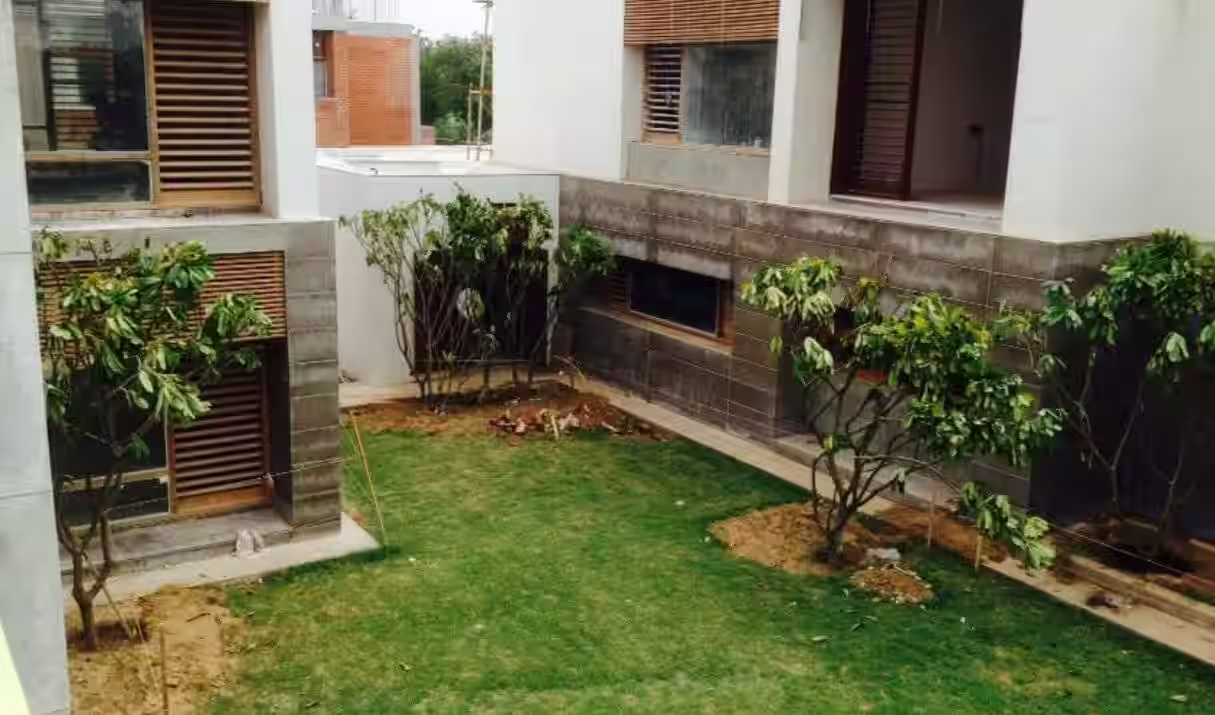
A landscape contractor represents far more than someone who plants trees and maintains lawns; they function as ecosystem engineers who reshape urban environments through deliberate manipulation of living and non-living elements. In Singapore, where human settlement patterns have compressed extraordinary biodiversity into one of the world’s most densely populated territories, the role of these professionals takes on particular significance. The transformation of available land into functional, aesthetically pleasing, and ecologically sound spaces requires understanding complex interactions between soil chemistry, water management, plant biology, climatic conditions, and human social patterns. This synthesis of knowledge, applied through practical skill, distinguishes professional landscape contracting from amateur gardening.
The Evolution of Landscape Contracting in Tropical Cities
Singapore’s transformation from a relatively undeveloped port city in the 1960s to today’s renowned garden city did not occur through accident or natural succession. It resulted from systematic intervention by skilled landscape contractors working within governmental frameworks and private developments. The National Parks Board’s vision of integrating nature throughout urban fabric created demand for professionals who could execute ambitious greening projects whilst navigating constraints of limited space, intense development pressures, and challenging tropical growing conditions.
Modern landscape contracting has evolved into a sophisticated discipline requiring expertise across multiple domains. Contractors must understand structural engineering principles when constructing retaining walls or rooftop gardens, comprehend hydrology for effective drainage systems, master horticultural science for plant selection and care, and apply project management skills to coordinate complex installations involving multiple trades and stakeholders.
Core Competencies and Service Domains
Professional landscape contractors in Singapore typically operate across several interconnected service areas:
Design Implementation
Translating landscape architects’ plans into physical reality through precise measurement, material procurement, and skilled installation techniques
Site Preparation
Excavation, grading, soil amendment, and drainage infrastructure establishment that creates proper foundations for plant growth
Hardscape Construction
Building permanent features including paving, decking, pergolas, water features, and retaining structures using durable materials suited to tropical weathering
Planting and Installation
Selecting healthy specimens, proper planting techniques ensuring survival, and initial establishment care during critical early growth periods
Irrigation Infrastructure
Installing automated watering systems calibrated to specific plant requirements and seasonal rainfall variations
Ongoing Maintenance Contracts
Providing regular care including pruning, fertilisation, pest management, and seasonal replanting to sustain landscape health
The Challenge of Singapore’s Environmental Context
Operating as a landscape contractor in Singapore presents unique challenges that differ markedly from temperate zone practice. Our equatorial location means year-round growing seasons with minimal temperature variation, creating both opportunities and complications. Plants grow continuously rather than entering dormancy, requiring constant maintenance attention. Heavy rainfall events, particularly during monsoon periods, demand robust drainage solutions to prevent waterlogging and erosion.
The Building and Construction Authority’s guidelines for landscaping works recognise these environmental factors, establishing standards for soil depth, drainage provisions, and plant selection appropriate to Singapore’s climate. Experienced landscaping contractor navigate these regulations whilst addressing site-specific microclimates created by building orientations, wind patterns, and reflected heat from surrounding structures.
Material Selection and Sustainable Practices
Choice of materials significantly impacts both initial project success and long-term sustainability. Professional contractors specialising in landscapes increasingly prioritise resources that withstand tropical conditions whilst minimising environmental footprint. This includes using permeable paving materials that reduce stormwater runoff, selecting timber from certified sustainable sources, and incorporating recycled materials where structurally appropriate.
Plant selection demonstrates contractors’ ecological understanding. Native species like Tembusu, Sea Almond, and various Ficus species often prove more resilient than imports, requiring less irrigation and chemical intervention. The National Parks Board’s plant database provides guidance on appropriate species for different applications, information that knowledgeable landscape contractors incorporate into project planning.
Project Management and Stakeholder Coordination
Large-scale landscape projects involve coordinating multiple parties across extended timelines. A landscape contractor must synchronise activities with civil engineers managing underground utilities, architects overseeing building construction, and facility managers planning for long-term operations. In condominium developments, contractors negotiate between developer objectives, architect visions, and future resident expectations whilst adhering to budget constraints and completion deadlines.
Effective communication proves essential. Contractors translate technical specifications into understandable terms for clients, advocate for necessary modifications when site conditions differ from original plans, and manage expectations regarding establishment periods and maintenance requirements.
Quality Assurance and Professional Standards
The landscape contracting industry in Singapore operates within frameworks established by professional bodies and regulatory agencies. The Singapore Landscape Architecture Profession Act provides statutory regulation, whilst organisations like the Singapore Landscaping Industry Association promote best practices and professional development.
Reputable landscape contractors demonstrate competence through completed projects, industry certifications, and ongoing training in emerging techniques. They maintain proper insurance coverage, employ qualified personnel, and follow workplace safety protocols mandated by the Ministry of Manpower. These professional standards protect both workers and clients whilst ensuring project quality.
Conclusion
The relationship between human settlements and their surrounding landscapes has shaped civilisations throughout history, determining survival, prosperity, and quality of life. In modern Singapore, where nearly every square metre has been consciously designed rather than naturally evolved, landscape contractors serve as crucial intermediaries between human aspirations and environmental realities. Through their technical expertise, practical experience, and understanding of both ecological systems and human needs, they create outdoor spaces that function as vital components of urban infrastructure, providing aesthetic pleasure, environmental services, and psychological benefits. As climate change intensifies and urbanisation continues globally, the skills embodied by professional landscape contractors become increasingly valuable for creating resilient, liveable cities.