
 By
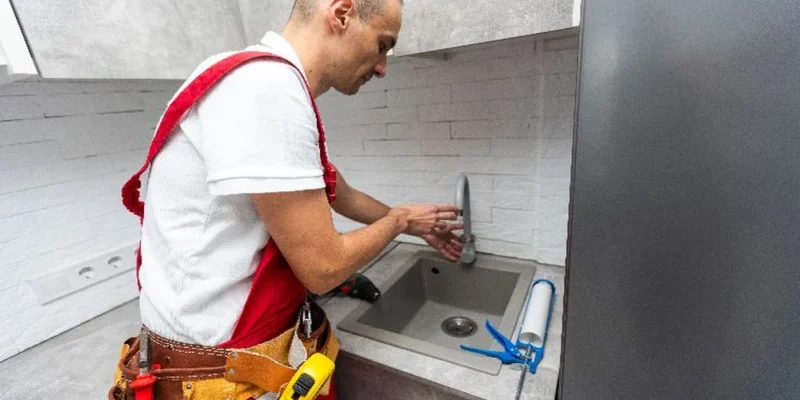
A sink that drains slowly once may have a small obstruction close to the opening. When the same sink keeps slowing down every few weeks, the situation starts telling a different story. The material causing the problem may sit deeper inside the pipe, or buildup along the pipe walls may be gradually reducing the space available for water to move.
That is why drain cleaning in Brandon should look beyond the latest clog. The location of the slowdown, how often it returns, which fixtures are affected, unusual sounds, odors, and what happens when several fixtures operate together all provide useful clues. Recognizing those patterns makes it easier to understand what part of the drainage system deserves attention.
One Slow Drain Is Different From Several
Start by identifying exactly which fixtures are draining poorly.
If one bathroom sink is slow while the toilet, shower, and other sinks work normally, the obstruction may be relatively close to that fixture. Hair, soap residue, toothpaste, and other material gradually collect inside bathroom drains.
The situation changes when several fixtures slow down around the same time.
A shower that backs up while the toilet gurgles or a kitchen sink that reacts when another appliance drains suggests that more than one fixture may be interacting with the same drainage path.
Write down which fixtures respond together. That information gives the service visit a much clearer starting point.
A Clog That Keeps Returning Deserves a Deeper Look
Temporary improvement does not always mean the pipe is clear.
A plunger or small drain tool may open enough space for water to pass while leaving a large amount of buildup attached to the pipe walls. Over time, debris collects again and the slowdown returns.
The time between clogs is useful information.
A drain that becomes slow again after several months presents a different pattern from one that backs up a few days after being cleared.
For information about local services, equipment, and available cleaning options, visit https://brandondraincleaning.com/.
Recurring trouble often signals that the next service should look beyond the material sitting closest to the drain opening.
Kitchen Drains Develop Their Own Type of Buildup
Kitchen plumbing deals with material that rarely appears in a shower or bathroom sink.
Grease, cooking residue, food particles, soap, and other debris may travel down the drain during daily cleanup. Small amounts may seem harmless, but material may gradually collect inside the pipe.
Grease becomes particularly troublesome because it may coat the interior surface rather than moving cleanly through the system.
A kitchen sink may begin draining more slowly before it stops completely.
Other early signs include bubbling noises, water lingering in the basin, or unpleasant odors returning soon after the sink is cleaned.
These symptoms provide useful context before drain cleaning in Brandon begins.
Bathroom Drains Often Build Problems Gradually
Hair is one of the most common materials entering showers, tubs, and bathroom sinks.
It combines with soap film and other residue, creating material that catches additional debris as water passes through.
The change may be gradual.
A shower that once emptied quickly begins leaving a shallow layer of water around your feet. A sink takes several extra seconds to clear. Eventually, water remains long enough to become difficult to ignore.
Waiting for the drain to stop completely usually makes the inconvenience worse.
Noticing the slowdown early gives the plumbing system attention before standing water takes over the fixture.
Gurgling Sounds Point Toward Restricted Flow
Drainage systems move both wastewater and air.
When a line becomes restricted, air may have difficulty moving normally through the system. That sometimes produces bubbling or gurgling sounds from nearby fixtures.
Pay attention to when the noise occurs.
Does the toilet gurgle when the shower drains? Does the kitchen sink make noise during a laundry cycle? Does another drain bubble when the toilet flushes?
These relationships matter more than a general description that the pipes sound unusual.
Brandon Drain Cleaning Experts currently identifies bubbling and gurgling between fixtures as warning signs associated with deeper drainage restrictions.
Odors May Appear Before a Full Backup
A drain may begin smelling unpleasant before water stops moving.
Food residue, grease, organic material, and other buildup may remain inside the drainage system long enough to create recurring odors.
Cleaning the visible drain opening may temporarily improve the smell without removing material farther down the pipe.
Notice where the odor is strongest and when it appears.
If several drains develop similar smells, include that detail during the service call. One smelly sink and several affected fixtures create different inspection priorities.
Grease Does Not Belong in the Drain
What enters the plumbing matters just as much as how the line is cleaned.
The U.S. Environmental Protection Agency explains that fats, oils, and grease may contribute to sewer blockages. Its information on sanitary sewer overflows also identifies wipes and other inappropriate materials as potential causes of blockages.
Cooking grease should be collected and discarded rather than poured into a sink.
A garbage disposal does not make grease disappear. It also does not turn every food item into material that moves harmlessly through plumbing.
Reducing what enters the drain gives cleaned pipes a better chance of staying clear.
Store-Bought Products May Not Solve a Recurring Problem
Chemical drain products are often one of the first things people try when water starts moving slowly.
The problem is that a recurring clog may involve more than material close to the drain opening.
A liquid product may move through a small passage without removing the heavier buildup attached farther along the pipe. Different products may also create safety concerns when several chemicals are mixed or when a plumber later works on the line.
If you have already used a drain product, tell the service provider what was used.
That information matters before equipment enters the pipe.
Professional drain cleaning in Brandon should focus on removing the obstruction rather than repeatedly masking the slowdown.
Sewer Lines Create Bigger Patterns
A blockage farther along the drainage system may affect multiple fixtures.
Instead of one sink draining slowly, toilets, tubs, floor drains, and other fixtures may begin reacting to each other.
Water backing into a shower when another fixture drains deserves prompt attention.
The EPA notes that sewer blockages may contribute to backups and sanitary sewer overflows. Fats, oils, grease, wipes, and other materials are among the items associated with these restrictions.
Repeated problems across several fixtures should therefore be treated differently from one isolated sink clog.
Tree Roots May Enter Damaged Sewer Lines
Underground sewer piping faces conditions that indoor drain lines do not.
Tree and shrub roots naturally grow toward moisture. If an underground line develops an opening or damaged joint, roots may enter and expand inside the pipe.
That creates a blockage that ordinary sink cleaning will not solve.
The EPA lists tree-root intrusion through sewer defects and openings among causes of sewer blockages.
Properties with mature landscaping and recurring main-line trouble may need the underground line examined more closely.
The important point is that removing the blockage and understanding why it developed are separate parts of the problem.
Hydrojetting Targets Material Along Pipe Walls
Some drainage problems involve heavy buildup rather than one solid object lodged in the pipe.
Grease, sludge, soap residue, and other material may coat the interior surface over time.
Brandon Drain Cleaning Experts currently lists hydrojetting among its services for breaking apart heavy buildup with high-pressure water.
The method is not automatically appropriate for every drain problem. Pipe condition and the type of blockage still matter.
A professional evaluation should determine which cleaning method fits the line rather than selecting equipment solely because the clog has returned.
Outdoor Drains Need Attention Before Heavy Rain
Drainage problems are not limited to kitchens and bathrooms.
Outdoor storm drains collect leaves, soil, landscaping debris, and other material. When those pathways become blocked, heavy rain may leave water standing around driveways, walkways, or other parts of the property.
Brandon Drain Cleaning Experts currently offers storm drain cleaning alongside interior drain and sewer services.
Check outdoor drains periodically, especially when nearby trees shed large amounts of leaves or after landscaping work.
Removing visible surface debris before storms reduces the amount of material reaching deeper into the drain.
Commercial Drains Face Heavier Daily Use
Restaurants, offices, retail spaces, and other commercial properties often send much more water and material through their drains than a typical residence.
Restrooms receive repeated daily use. Commercial kitchens deal with food residue and grease. Floor drains may collect debris from cleaning and normal operations.
A small slowdown may therefore become disruptive quickly.
Recurring clogs should be documented by location and time. If one restroom repeatedly experiences trouble during busy periods, that pattern provides useful information.
Commercial drain service should focus on restoring flow while keeping disruption to occupied areas as limited as possible.
Flow Testing Should Follow the Cleaning
Clearing material from the line is not the final step.
Water should be run through the affected fixture afterward to confirm that drainage has improved.
When several fixtures were involved, test the related areas as well.
Brandon Drain Cleaning Experts states that its current service process includes inspecting drainage lines, clearing buildup or blockages, and testing drain flow before work is wrapped up.
This final check connects the cleaning directly with the problem that started the appointment.
If the original symptom remains, the line may need further evaluation.
Pay Attention to the Pattern Before the Backup
Drain problems rarely become easier once wastewater begins overflowing into a sink, shower, or floor drain.
Recurring slow drainage, gurgling sounds, odors, standing water, and several fixtures reacting together all provide earlier clues.
Thoughtful drain cleaning in Brandon follows those clues to determine where the restriction is located and what type of buildup is affecting flow.
If your drains keep slowing down, clogs return after temporary fixes, or several fixtures have started acting differently, contact Brandon Drain Cleaning Experts to have the affected lines inspected and discuss the cleaning method that fits the problem.






Comments